JW Marriott Tokyo: A Calm, Sky-High Debut in Takanawa Gateway City
A poised arrival above Takanawa Gateway City, where Yabu Pushelberg’s serenity meets a sharp culinary program and city-facing wellness.
JW Marriott is the newest addition to Tokyo’s urban district, a vertical sanctuary with views toward Tokyo Bay and Gotenyama. Above Takanawa Gateway Station and twenty minutes from Haneda, it offers immediate connectivity while setting a mindful tone. The hotel sits within Takanawa Gateway City, steps from Shinagawa Station, future terminus of the Chuo Shinkansen.
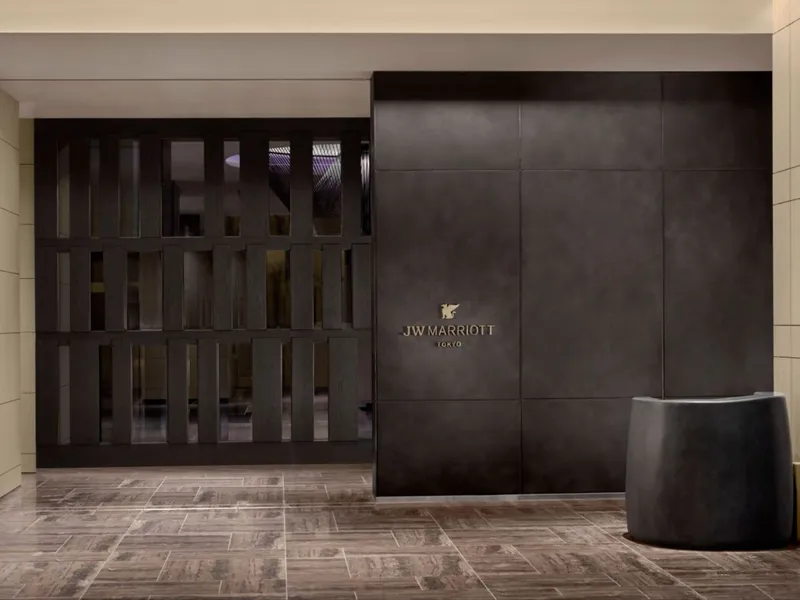
Yabu Pushelberg shapes the interiors around balance and stillness, while Lasvit contributes a luminous Tree House installation. The arrival sequence favours quiet art interventions, tempered light, and materials that read modern Japanese without pastiche.
“A warm approach to luxury meets world-class hospitality… spaces designed to inspire tranquility and foster meaningful moments.” — Bruce Rohr, Vice President & Global Brand Leader, JW Marriott
There are 200 rooms and suites, framed by floor-to-ceiling glazing and grounded in natural textures reminiscent of garden stone and wood. Tones are composed, the joinery precise, and bathrooms carry indulgent yet sustainable amenities. The art program references Kamakura-bori cloudscapes and Sho Makishima’s soft-hued photography, a measured counterpoint to the skyline. Mindful Rooms and Suites add tailored sleep and reflection features, creating quiet, intentional spaces within a large-scale tower.
Dining is intimate by design. Kakō interprets washoku with seasonal clarity and a notable sake collection drawn from all 46 prefectures. Saki is an eight-seat kappo collaboration between Kazumine Nishida of Shoukouwa and Emmanuel Stroobant of Saint Pierre, both award-winning restaurants, bringing narrative tasting menus to a jewel-box counter. Sefino, in partnership with Agustin Balbi of Andō, channels sunlight, spice, and origin-driven Mediterranean plates. Le Cres turns out Japanese-accented croissants, while the JW Bar and Lounge serve classic cocktails and an exacting afternoon tea.
Wellness unfolds on the upper floors with a quarry-inspired pool set against stone and glass, framing Tokyo Tower views. Spa by JW layers modern techniques with Japanese rituals, favoring restorative treatments over spectacle. A modern Fitness Center supports serious training. The Executive Lounge on 27 offers day-long presentations and a contemplative palette, with plaster-inspired artworks that echo the district’s earthbound history high above the tracks.
Events span 1,140 square meters, anchored by a ballroom featuring 270-degree movable LED walls, paired with advanced audiovisual for elevated meetings. The configuration reads flexible rather than cavernous, useful for brand showcases and discreet celebrations. Families find thoughtful programming through Family by JW, with creative activities and small touches that feel personal rather than performative.
The hotel’s address links quietly to its context. Guests step into Shinagawa’s transport web for art in Roppongi, gardens in Shiba, and waterfront promenades toward Tennozu. Within Takanawa Gateway City, galleries, retail, and cultural venues build a live-work-learn ecosystem that suits extended stays. JW Marriott Tokyo synthesizes that energy into calm—an urban retreat that stays close to the action yet remains deliberately unhurried.
For further information, visit marriott.com


