


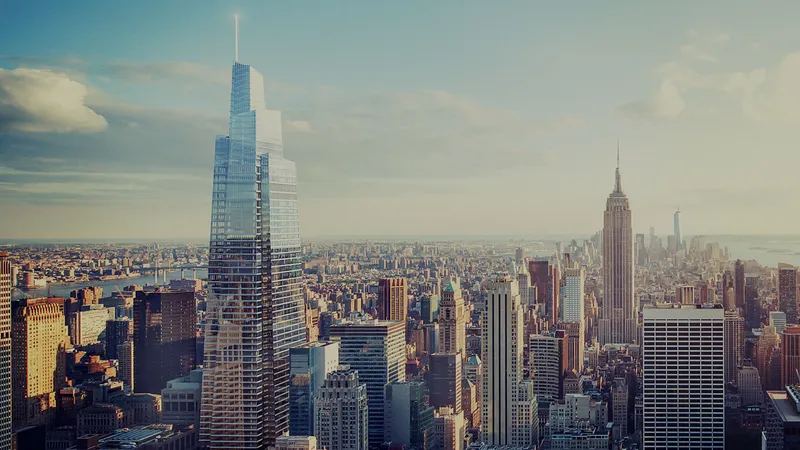
New York City Guide
Curated by
Our city guides offer a brief glimpse into a bespoke offering designed for the discerning traveller. Discover our invite-only travel community, where our seasoned curators personally craft extraordinary experiences tailored to your every preference.
Prominent Areas
New York City's ultra-luxury landscape spans from the historic charm of the Upper East Side and its world-class museums to the sleek modern towers of Hudson Yards, offering unparalleled access to fine dining, shopping, and cultural landmarks in every corner.
Upper East Side
The Upper East Side is a neighborhood in the borough of Manhattan, bounded by Central Park to the west, the East River to the east, 59th Street to the south, and 96th Street to the north. It is one of the most affluent areas in New York City, known for its high-end residences, luxury boutiques, and cultural institutions.
Historically, the Upper East Side developed in the late 19th century as a prestigious residential district for New York’s elite. The area features a significant collection of pre-war architecture, including brownstones and townhouses. Notable historical landmarks include the Metropolitan Museum of Art, established in 1870, and the Solomon R. Guggenheim Museum, designed by Frank Lloyd Wright and completed in 1959.
Lenox Hill, a prominent subsection of the Upper East Side, is home to major medical institutions such as NewYork-Presbyterian Hospital and Lenox Hill Hospital. The neighborhood also hosts several educational institutions, including Barnard College and the Fashion Institute of Technology.
Madison Avenue, running through the Upper East Side, is renowned for its luxury retail stores and designer boutiques. The area is also adjacent to Central Park, providing residents with access to extensive green space and recreational facilities. The Upper East Side remains a symbol of wealth and sophistication, maintaining its status as a desirable residential and cultural hub in New York City.
Upper West Side
The Upper West Side is a residential neighborhood in the borough of Manhattan, bordered by Central Park to the east, the Hudson River to the west, 59th Street to the south, and 110th Street to the north. It is recognized for its affluent population, historic architecture, and cultural institutions.
Developed in the late 19th and early 20th centuries, the Upper West Side became a desirable area for affluent New Yorkers due to its proximity to Central Park and the availability of spacious residences. The neighborhood features a mix of pre-war apartment buildings, brownstones, and luxury condominiums. Notable architectural landmarks include the Columbia University campus, the American Museum of Natural History established in 1869, and the Lincoln Center for the Performing Arts, opened in 1962.
The Upper West Side is divided into several sub-neighborhoods, including Lincoln Square, Riverside Park, and Morningside Heights. Riverside Park, designed by Frederick Law Olmsted and Calvert Vaux, offers extensive green space along the Hudson River and is a key recreational area for residents. Lincoln Square is a major cultural hub, housing institutions such as the Juilliard School and the New York Philharmonic.
Madison Avenue and Broadway are major commercial thoroughfares in the Upper West Side, featuring a variety of upscale shops, restaurants, and theaters. The neighborhood is also served by several subway lines, providing easy access to other parts of Manhattan and the greater New York City area.
The Upper West Side remains a highly sought-after residential area, known for its combination of historic charm, cultural richness, and high quality of life. It continues to attract a diverse population, including professionals, families, and artists, maintaining its status as one of New York City's premier neighborhoods.
Midtown Manhattan
Midtown Manhattan is a central neighborhood in the borough of Manhattan, bounded by 34th Street to the south, 59th Street to the north, the Hudson River to the west, and the East River to the east. It is one of the most commercially significant areas in the city, serving as a major business, cultural, and residential hub.
Historically, Midtown developed rapidly in the early 20th century, transforming into a key center for commerce and entertainment. The area is home to iconic skyscrapers such as the Empire State Building (completed in 1931) and the Chrysler Building (completed in 1930), which have become symbols of New York City's architectural heritage. Rockefeller Center, established in the 1930s, is a notable complex featuring offices, retail spaces, and entertainment venues, including the famous Radio City Music Hall.
Midtown Manhattan is also renowned for its luxury residential developments, particularly along Central Park South and Billionaires’ Row on 57th Street. These areas feature high-end condominiums and penthouses offering expansive views of Central Park and the city skyline. Fifth Avenue, a major thoroughfare in Midtown, is synonymous with upscale shopping, housing flagship stores of numerous luxury brands.
Cultural institutions such as the Museum of Modern Art (MoMA) and Lincoln Center for the Performing Arts are located in Midtown, contributing to its vibrant cultural scene. The neighborhood is a major transportation hub, served by multiple subway lines, Grand Central Terminal, and Penn Station, facilitating easy access to other parts of New York City and beyond. Midtown Manhattan remains a premier destination for business, tourism, and luxury living, maintaining its status as a pivotal area in New York City's urban landscape.
Hudson Yards
Hudson Yards is a large-scale real estate development located on the West Side of Manhattan, New York City, bounded by 34th Street to the south, 43rd Street to the north, the Hudson River to the west, and 10th Avenue to the east. Covering approximately 28 acres, it is the largest private real estate development in the United States by square footage.
The Hudson Yards project was initiated in the early 2000s on the site of the former West Side rail yards, which were operational until their closure in the late 20th century. The development was officially announced in 2005, with significant construction beginning in the 2010s. The first phase of Hudson Yards, encompassing residential towers, office buildings, retail spaces, and public areas, was completed in the mid-2010s.
Key landmarks within Hudson Yards include the Vessel, an interactive art installation and visitor attraction designed by Thomas Heatherwick, and The Shed, a cultural center dedicated to performing arts and innovative exhibitions. The Edge, the highest outdoor sky deck in the Western Hemisphere, offers panoramic views of New York City from its vantage point atop 30 Hudson Yards.
The development features a mix of commercial, residential, and retail spaces, including luxury condominiums, corporate offices, and high-end retail stores along The Shops & Restaurants at Hudson Yards. Additionally, the Equinox Hotel provides upscale accommodations within the complex. Hudson Yards is served by the Hudson Yards Subway Station, part of the extension of the 7 train, which opened in 2015, enhancing connectivity with other parts of Manhattan and the broader New York City area.
Sustainability is a core component of Hudson Yards' design, incorporating green roofs, energy-efficient building systems, and extensive public green spaces to promote an environmentally friendly urban environment. The development also includes public art installations and open spaces, fostering a sense of community and accessibility.
Tribeca
Tribeca is a prestigious neighborhood in Lower Manhattan, New York City, bordered by Canal Street to the north, Vesey Street to the south, West Street to the west, and the East River to the east. The name "Tribeca" stands for "Triangle Below Canal Street." Renowned for its exclusivity and affluent residential offerings, Tribeca is one of Manhattan's most desirable areas for discerning individuals.
Historically, Tribeca developed in the early 19th century as a residential district with industrial warehouses, leveraging its proximity to the Hudson River and major transportation routes. By the late 19th and early 20th centuries, it had become a hub for the garment and jewelry industries. The decline of these industries in the mid-20th century led to the abandonment of many buildings. In the 1960s, artists were drawn to Tribeca for its large, affordable loft spaces, initiating its transformation into a trendy residential neighborhood. Significant real estate investments in the late 20th and early 21st centuries further revitalized Tribeca, cementing its status as an elite enclave.
Tribeca boasts a collection of luxury lofts, spacious condominiums, and historic townhouses, many of which feature state-of-the-art amenities and bespoke finishes. The neighborhood is home to high-profile landmarks such as the Tribeca Film Center and the annual Tribeca Film Festival, established in 2002, which attract international attention and influential figures. Iconic sites like the Ghostbusters Firehouse and Washington Market Park add to its unique charm.
Residents of Tribeca enjoy unparalleled access to fine dining, exclusive boutiques, and cultural institutions, fostering a sophisticated lifestyle. Real estate in Tribeca is among the most expensive in New York City, reflecting its high demand and limited availability. With its blend of historic elegance, modern luxury, and vibrant cultural scene, Tribeca remains a premier destination for those seeking the pinnacle of Manhattan living.
SoHo
SoHo, short for "South of Houston Street," is a historic and trendy neighborhood in Lower Manhattan, New York City, known for its distinctive cast-iron architecture and its transformation into a cultural and shopping hotspot. Once a manufacturing district in the 19th century, SoHo fell into decline by the mid-20th century, becoming an affordable haven for artists who transformed its spacious lofts into studios and living spaces. This influx of artists played a key role in SoHo's revival, and by the 1970s, it became synonymous with New York’s burgeoning art scene.
Today, SoHo is one of the city's most fashionable neighborhoods, home to luxury boutiques, designer stores, and high-end restaurants. Its cobblestone streets are lined with both upscale retail brands and independent galleries, making it a popular destination for both locals and tourists. The neighborhood has managed to retain its artistic heritage, while also becoming a hub for international shopping. Real estate in SoHo is highly sought after, with its loft apartments commanding some of the highest prices in the city. The combination of historic charm and modern luxury makes SoHo a premier destination for affluent residents seeking a blend of elegance, culture, and exclusivity in New York City.
West Village & Chelsea
West Village and Chelsea are adjacent neighborhoods on the west side of Lower Manhattan, New York City. The West Village is bordered by 14th Street to the north, Houston Street to the south, the Hudson River to the west, and Sixth Avenue to the east. Chelsea lies immediately north of the West Village, bounded by 14th Street to the south, 30th Street to the north, the Hudson River to the west, and Sixth Avenue to the east. These neighborhoods are renowned for their upscale residences, historic architecture, and vibrant cultural scenes, making them highly attractive to ultra-high-net-worth individuals.
Historically, the West Village developed in the 19th century as a residential area with tree-lined streets and townhouses, attracting artists and affluent residents. Chelsea emerged as an industrial and shipping district before transforming into a prestigious residential and commercial hub in the late 20th century. The preservation of historic brownstones and the integration of modern luxury high-rises characterize the architectural landscape of both areas.
West Village is celebrated for its exclusive boutiques, fine dining restaurants, and intimate jazz clubs, fostering a sophisticated urban lifestyle. Chelsea is home to the renowned Chelsea Market, high-end art galleries, and the expansive High Line park, which offers unique recreational space and stunning city views. Both neighborhoods feature a mix of luxury condominiums, historic townhouses, and state-of-the-art residences, providing a range of premium real estate options.
Cultural institutions such as the Whitney Museum of American Art in Chelsea and the Jefferson Market Garden in the West Village enhance the area's appeal. Excellent transportation links, including multiple subway lines and proximity to major highways, ensure easy access to other parts of Manhattan and beyond.
Flatiron District
The Flatiron District is a prominent neighborhood in Midtown Manhattan, bordered by 20th Street to the south, 26th Street to the north, Fifth Avenue to the east, and Broadway to the west. Named after the iconic Flatiron Building, completed in 1902, the district is renowned for its unique triangular architecture, high-end real estate, and vibrant commercial presence.
Historically, the Flatiron District emerged in the late 19th century as a commercial hub, benefiting from its strategic location at the intersection of major avenues. The area's development was significantly influenced by the construction of the Flatiron Building, one of New York City's earliest skyscrapers, which became a symbol of architectural innovation. Throughout the 20th century, the district evolved into a blend of residential and commercial spaces, attracting businesses, retailers, and affluent residents.
Today, the Flatiron District features a mix of luxury condominiums, historic brownstones, and modern high-rises, offering a range of premium real estate options. The neighborhood is home to upscale boutiques, gourmet restaurants, and exclusive hotels, catering to a sophisticated clientele. Landmark institutions such as the New York Life Building and the MetLife Building contribute to the area's prestigious skyline.
NoMad
NoMad (North of Madison Square Park) is a vibrant and rapidly growing neighborhood in Manhattan. It spans from 23rd to 34th Street and between Lexington and Seventh Avenue. Once a hub for social and cultural activity in the 19th century, the area fell into decline but has since seen a significant resurgence in the 21st century. Today, NoMad is known for its blend of historical charm and modern energy, offering a mix of residential, commercial, and cultural spaces.
Madison Square Park is central to NoMad’s identity, providing a green space for residents and visitors to relax, alongside a bustling urban atmosphere. The neighborhood is now home to high-end hotels, trendy restaurants, and unique retail shops. It has become a hotspot for New York’s creative industries, especially in the culinary and design sectors, with top chefs and boutique shops making their mark.
NoMad's architecture reflects its rich history, with beautifully restored buildings standing next to new developments. The area attracts a diverse community, from working professionals to tourists, who come for its dynamic dining scene, nightlife, and shopping. This fusion of old and new makes NoMad a prime example of New York City's ongoing transformation.
Greenwich Village
Greenwich Village, often simply called "The Village," is a historic and culturally rich neighborhood in lower Manhattan, New York City. Known for its bohemian and artistic legacy, it has long been a hub for writers, musicians, and free thinkers. During the 20th century, Greenwich Village was at the heart of various social movements, including the Beat Generation, the counterculture of the 1960s, and the LGBTQ+ rights movement, with the Stonewall Uprising of 1969 being a pivotal moment in LGBTQ+ history.
The Village is characterized by its charming, winding streets, which break away from Manhattan's usual grid system. Many of its buildings are low-rise, pre-war constructions, giving the area a more intimate and old-world feel compared to other parts of the city. Washington Square Park serves as a central meeting place and gathering spot for locals, students from nearby NYU, and tourists alike.
Today, Greenwich Village is a blend of its artistic roots and modern upscale living, with a mix of historic brownstones, trendy restaurants, boutiques, and vibrant nightlife. While the neighborhood has become more gentrified, it still retains its creative spirit and remains one of New York City’s most iconic and desirable neighborhoods.
Where to Stay
Page Size: 50
1 to 28 of 28 Page 1 of 1
Where to Dine
Page Size: 50
1 to 47 of 47 Page 1 of 1
Where to Socialize
Page Size: 50
1 to 18 of 18 Page 1 of 1
Art Galleries & Museums
Page Size: 50
1 to 29 of 29 Page 1 of 1
Retail Therapy
New York City boasts an array of iconic shopping streets renowned for their luxury boutiques, designer stores, and exclusive retailers. Here are some of the most prestigious destinations for shopping in New York:
Fifth Avenue
Fifth Avenue in New York City is one of the most iconic and prestigious shopping streets in the world, renowned for its luxury stores and historic landmarks. Stretching from Washington Square Park in Greenwich Village to Harlem, the most famous section of Fifth Avenue runs through Midtown, between 49th and 60th Streets, where luxury boutiques such as Tiffany & Co., Gucci, Louis Vuitton, and Bergdorf Goodman draw affluent shoppers from around the globe.
Historically, Fifth Avenue has been a symbol of wealth and power since the late 19th century, with prominent families like the Vanderbilts and Astors establishing their mansions along the avenue. Over time, it evolved into a premier shopping destination, while maintaining its association with elegance and high society.
In addition to its shopping prestige, Fifth Avenue is home to significant cultural landmarks, including St. Patrick’s Cathedral, Rockefeller Center, and the New York Public Library. Its stretch along Central Park offers some of the city’s most expensive real estate, further cementing its ultra-luxury status. Fifth Avenue has also played host to many famous parades and events, such as the annual Thanksgiving Day Parade and Easter Parade, making it not only a shopper’s paradise but also a vital part of New York’s cultural fabric.
Madison Avenue (Upper East Side)
Madison Avenue, particularly the stretch from 57th to 86th Streets on the Upper East Side, is a premier shopping destination known for its concentration of high-end designer boutiques and luxury brands. This elegant avenue is home to flagship stores from brands like Chanel, Hermès, Tom Ford, and Ralph Lauren, making it one of New York City's most exclusive shopping districts. The area is also known for its quiet sophistication compared to the bustling Fifth Avenue, offering a more intimate shopping experience for affluent buyers.
Historically, Madison Avenue developed its luxury reputation in the mid-20th century, as high-fashion houses and jewelers began to set up flagship stores in this upscale residential neighborhood. The avenue's proximity to Central Park and its luxurious pre-war buildings made it an attractive location for wealthy residents and discerning shoppers alike.
Beyond fashion, Madison Avenue is also a cultural corridor, featuring high-end art galleries, fine dining establishments, and five-star hotels like The Carlyle. With its unique blend of luxury retail, historic architecture, and refined atmosphere, Madison Avenue remains one of the most iconic destinations for ultra-luxury shopping in New York City.
SoHo
SoHo, short for "South of Houston Street," is one of New York City’s most stylish neighborhoods, known for its luxury shopping, art galleries, and historic cast-iron architecture. Once a manufacturing and industrial district, SoHo underwent a transformation in the 1970s, becoming an epicenter for artists seeking large, affordable loft spaces. Over time, it evolved into a chic, upscale shopping destination, home to world-renowned brands like Prada, Saint Laurent, and Dior, as well as independent luxury boutiques.
SoHo’s cobblestone streets and distinctive cast-iron buildings lend the area an old-world charm, making it an attractive spot for both high-end fashion houses and tourists. Today, it is one of the most expensive neighborhoods in Manhattan, blending art, culture, and retail. In addition to its luxury shops, SoHo remains a cultural hub, with contemporary art galleries and designer showrooms scattered throughout the district. The neighborhood’s evolution from an artists' enclave to a symbol of luxury encapsulates New York City’s dynamic spirit and ever-changing landscape. SoHo remains a must-visit for those seeking high-end shopping in an artistic, historic setting.
Hudson Yards
Hudson Yards is New York City’s newest ultra-luxury destination, located on Manhattan’s West Side. Officially opened in 2019, the development is the largest private real estate project in U.S. history, transforming an industrial rail yard into a futuristic urban oasis. The centerpiece of Hudson Yards is The Shops, a high-end retail complex that houses luxury brands such as Cartier, Fendi, and Louis Vuitton. Along with shopping, Hudson Yards offers fine dining experiences, cultural spaces, and modern art installations, making it a top destination for those seeking a mix of luxury and contemporary urban life.
Hudson Yards is also known for its ultra-luxury residential buildings, including 15 Hudson Yards and 35 Hudson Yards, offering high-end condos with panoramic views of the city. In addition to its residential and retail offerings, the development features The Vessel, an iconic architectural structure, and The Edge, the highest outdoor sky deck in the Western Hemisphere.
Meatpacking District
The Meatpacking District in New York City is a vibrant and ultra-trendy neighborhood known for its mix of luxury fashion, nightlife, and cultural attractions. Once an industrial area filled with slaughterhouses and packing plants, the neighborhood underwent a significant transformation in the late 1990s and early 2000s. Today, it’s home to high-end designer boutiques like Hermès, Restoration Hardware, and Diane von Furstenberg, as well as avant-garde galleries and upscale dining spots. Its cobblestone streets, modern architecture, and converted industrial spaces give it a unique blend of historic charm and contemporary luxury.
The district is also known for its nightlife, with exclusive clubs and rooftop bars attracting an affluent, fashionable crowd. The nearby Whitney Museum of American Art adds a cultural dimension, while the High Line, an elevated park built on an old rail line, enhances the area’s appeal for residents and visitors alike. With its mix of art, fashion, dining, and nightlife, the Meatpacking District remains one of New York City’s most sought-after destinations for luxury living and entertainment.
Calendar Highlights


Showing 12 of 55 results
Our Offering
We arrange bespoke lifestyle management through our own team and a global network of partners we know well.
-
 Lifestyle Management
We aim to make life simpler and richer for our Members and Lifestyle Pass holders. Our work rests on trust and on a close knowledge of each client, and we handle the arrangements in the background, from travel and events to property and acquisitions.
-
 Boutique Service
As a boutique concierge company, we keep Membership small: it is by invitation, and our committee reviews every admission. If you are not a Member, the Lifestyle Pass gives you our digital lifestyle platform and the full reach of our global concierge network.
-
 Partner Network
Our partners are specialists we have vetted and invited into a global network, and they stand behind everything we arrange. Through them we reach one-of-a-kind experiences, rare acquisitions, and boutique concierge services, with decades of combined experience in their fields.